
A disputed withdrawal or a closed account can quickly become confusing. You may have messages from the operator, screenshots of account pages, payment records, identity requests and several explanations that do not quite match. The safest first step is not to threaten, guess or send more documents to a new contact route. Start by making the facts clear.
This page explains a practical route for gambling disputes: keep records, use the operator’s own complaint process, understand when alternative dispute resolution may become relevant, and separate a complaint from any support needs. It does not promise an outcome, name an ADR provider, draft legal claims or replace advice from a qualified professional.
Tracking Disputed Casino Withdrawals Effectively
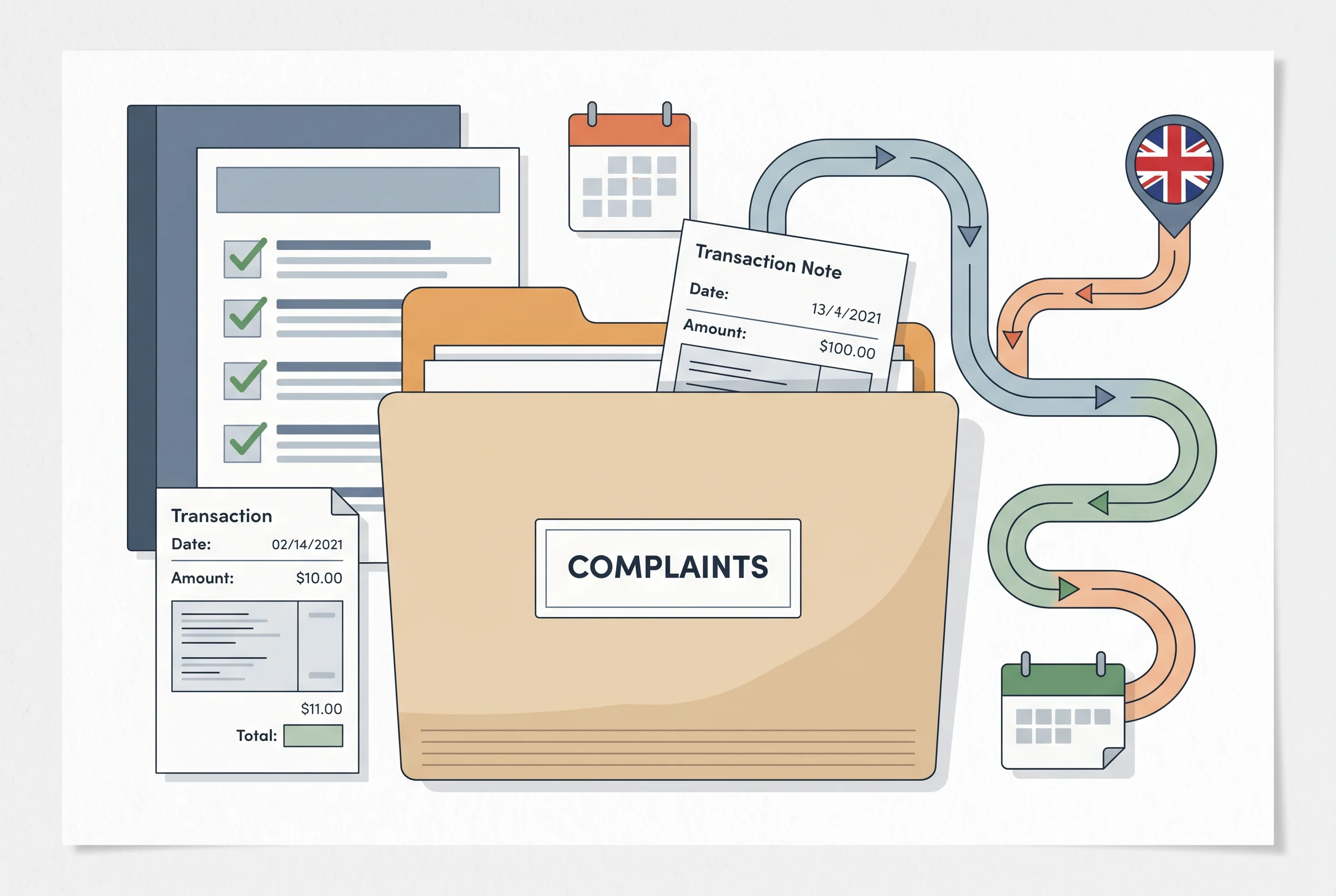
A complaint is easier to understand when it is built around dates, account events and exact wording. Write a short timeline before you contact anyone again. Include when you registered, when you deposited, when the disputed bet or withdrawal happened, when verification was requested, when the operator replied, and what documents or explanations you were given.
Keep the wording factual. “My withdrawal was requested on this date and has not been paid” is stronger than a long emotional message. “The term I relied on says this” is clearer than “the site is a scam.” If the matter later goes through another route, a calm record helps the next person see the issue without having to sort through arguments.
Do not edit screenshots in a way that changes meaning. Save the full page where possible, including the account name, visible time, transaction reference, terms wording and support replies. If a chat transcript can be downloaded, keep the original file as well as a readable copy. If a payment appears on a bank statement, keep the relevant entry but avoid sending unnecessary personal information until you know the proper route.
Dispute route without overpromising results
- Collect the record first. Put account events, emails, chat replies, payment records and terms wording into date order.
- Use the operator complaint process. Look for the complaint section in the site’s terms or help area and send a short message that asks for a clear written answer.
- Ask for the point of disagreement. If the answer is vague, ask which term, verification issue, payment issue or account rule is being relied on.
- Wait for the proper response route. Official guidance points readers toward the business complaint process first. Where a complaint remains unresolved after eight weeks, ADR may become relevant.
- Check the current approved ADR list before naming anyone. Do not rely on an old page, a forum post or a logo in a footer. The current route should be checked through the Gambling Commission’s official information.
- Separate the dispute from personal support needs. A complaint about money or account handling is one thing. Stress, pressure to keep gambling or loss of control may need a different kind of support at the same time.
What to keep for a withdrawal, settlement or closure dispute
| Record | Why it matters | How to keep it useful |
|---|---|---|
| Withdrawal request | Shows the date, amount and method connected to the dispute. | Save the confirmation screen, account history and any reference number. |
| Terms relied on | Helps show whether the restriction was explained clearly before the dispute. | Keep the full terms page and the section you believe is relevant. |
| Verification requests | Shows whether the issue is identity, payment ownership or another check. | Record what was asked for, when, and through which account area or message route. |
| Operator replies | Shows whether the business gave a reason, changed its explanation or issued a final position. | Keep the original email or transcript, not only a screenshot of part of it. |
| Bank or payment record | May show when funds left or returned to your account. | Keep only the relevant entry and protect unrelated financial details. |
Operator complaint, regulator information and ADR are not the same thing
The first practical route is usually the gambling business’s own complaint process. That is where you ask the operator to explain its decision and apply its terms. The complaint should identify the account, the transaction or bet, the decision being challenged and the remedy you are asking the business to consider.
The Gambling Commission provides public guidance about complaints, gambling businesses, bets and transactions. It is important, however, not to assume that a regulator will settle your individual contractual dispute in the way a complaint handler or ADR process might. A regulator can use information for regulatory purposes, while a personal dispute may need to follow the operator process and then the appropriate ADR route where available.
Alternative dispute resolution is a route for unresolved complaints in the licensed Great Britain context. Official guidance refers to the point after eight weeks where a complaint has not been resolved. That does not mean every case has the same outcome, that every site falls under the same route, or that an old provider list should be trusted. Check the current approved ADR information before relying on a provider name.
When the dispute is really about terms, verification or payments
Many disputes are not only about one missing withdrawal. They are often about several linked issues: a bonus term, a payment method, account ownership, identity checks, proof of address, a closed account or a rule that was difficult to find before deposit. Keep those issues separate in your complaint. Mixing them into one angry message can make the central point harder to answer.
If the issue is a payment method, read the page on payments and withdrawals. If the issue is documents or account checks, read the page on verification and withdrawals. Those pages help you frame the dispute without claiming that a delay is automatically unfair or that a check is automatically improper.
Fair and transparent terms matter when a business relies on restrictions, bonus conditions or withdrawal barriers. The useful question is not “Can they do this?” in the abstract. The useful question is “What term are they relying on, was it available before I acted, and how has the business applied it to my account?”
Messages that usually make a complaint weaker
- Threatening language before you have a clear written answer.
- Accusations about criminal conduct without evidence.
- Long messages that hide the date, amount and decision being challenged.
- Sending extra documents through a new link without checking the route is genuine.
- Changing the story between emails, chats and complaint forms.
- Assuming a third party can overturn a decision before the operator has completed its own process.
A calm complaint does not mean accepting a poor answer. It means giving yourself the best chance of being understood. Keep your message short enough for a complaint handler to identify the issue, but complete enough that the main documents and dates are already attached or listed.
If the dispute is affecting your wellbeing
A money dispute can create a strong urge to keep checking the account, deposit again, chase losses or prove a point. If that is happening, treat it as separate from the complaint route. The practical step may be to pause gambling access, speak to someone you trust, or use recognised gambling support resources rather than continuing to engage with the site while upset.
If you are worried about self-exclusion, spending or pressure to gamble, the page on GAMSTOP, bank blocks and support explains protective options without treating them as barriers to defeat. A dispute can be handled on paper while you also protect yourself from further harm.
Related checks: payment and withdrawal terms, verification checks, and support controls.