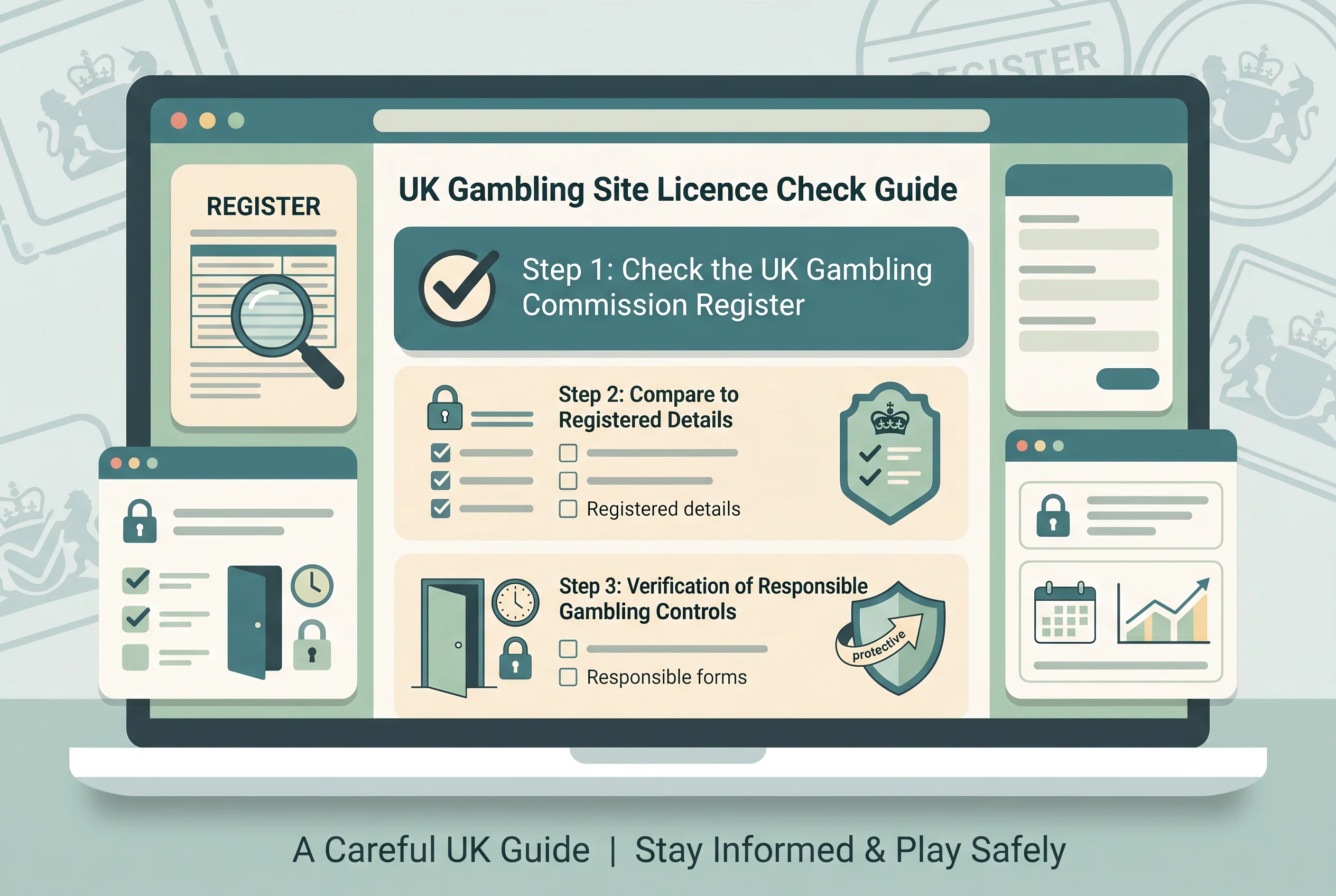
Definition with boundaries
What “casino not on GAMSTOP” can mean
GAMSTOP is a self-exclusion service for online gambling companies licensed in Great Britain. When a reader sees the phrase “casino not on GAMSTOP”, the safest first reading is very narrow: the site may not be part of that Great Britain self-exclusion system. That alone does not tell you whether the business is licensed, whether the terms are fair, whether withdrawals are handled properly, or whether the site is appropriate for a person who has chosen self-exclusion.
There is an important wording boundary here. Many official gambling rules and consumer pages are about Great Britain rather than every part of the UK. That means a careful guide should not turn a Great Britain fact into a wider UK legal claim. It is better to say exactly what can be checked: whether a business, trading name or domain appears in the Gambling Commission public register for the British market; whether the account terms explain verification, withdrawal rules and complaint routes; and whether the site’s presentation treats gambling controls responsibly.
A site description can also be incomplete or promotional. A page may use outside-GAMSTOP wording to attract people who are frustrated with restrictions, waiting for withdrawals, or trying to regain access after self-exclusion. That is exactly why the phrase should not be treated as a recommendation. If a person has self-excluded, the protective purpose of that decision matters. The safer route is to look at official support and blocking tools rather than searching for ways to continue gambling during a difficult period.
The short version
“Not on GAMSTOP” is not a quality mark. It is not proof that a casino is legal for you, safe with your money, fast to pay, private with your documents or better for someone who is self-excluded. It is a signal to do more checks, not fewer.
For someone who is not self-excluded but wants to understand risk, the same cautious approach applies. Do not start with bonus claims, payout promises or a site’s own badge graphics. Start with the boring information: who operates the site, which exact domain is being used, which regulator or authority can be checked, what the terms say about withdrawals, whether customer funds are discussed, how complaints are handled, and how personal data will be used. These checks do not make gambling risk-free, but they reduce the chance of relying on vague claims.
At a glance
The checks that matter before you act
The table below is a practical starting point. It avoids brand recommendations and focuses on questions a reader can apply to any gambling site before creating an account, depositing money or uploading documents.
| Area | What to check | Why it matters | Deeper guide |
|---|---|---|---|
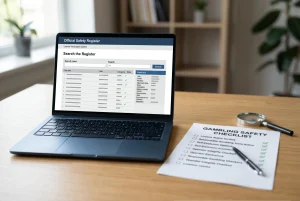
| Licence and identity of the business | Match the exact domain, trading name and business details against an official register where relevant. | A badge or claim on a website is not the same as an official register entry. | How to check a site |
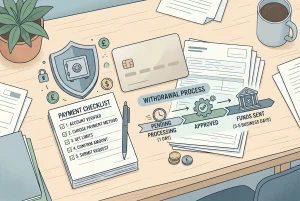
| Payments and withdrawals | Read deposit rules, withdrawal rules, payment-method limits and any documents needed before money is sent. | Many disputes begin when the reader learns about restrictions only after a withdrawal request. | Payments and withdrawals |
| Age and identity checks | Look for clear identity, age and account-verification wording before depositing. | For Great Britain licensed online gambling, age and identity checks must happen before gambling, and later checks may still occur for legal obligations. | Verification and withdrawals |
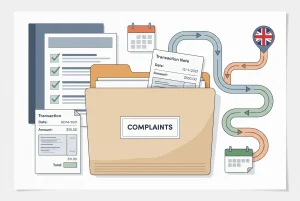
| Complaints and records | Find the complaint process, keep screenshots, and know when alternative dispute resolution may be relevant. | Good records make it easier to explain a problem calmly if a payment, bet or account closure is disputed. | Complaints and ADR |
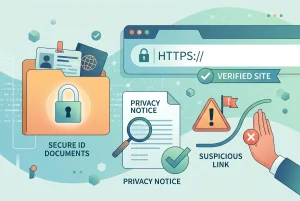
| Personal data and scams | Check the domain, privacy information, document-upload process and suspicious messages before sharing information. | ID and payment details can be valuable to criminals, especially when a user is rushing. | Privacy and scam checks |
| Support and protective controls | Consider GAMSTOP, bank gambling blocks, spending limits and recognised support if gambling feels hard to control. | Controls are there to create distance from gambling decisions, not to be treated as obstacles. | Support and money controls |
Before account creation
Licence, register and terms checks come before trust
The first useful question is not “which casino is best?” It is “can I verify who I am dealing with?” For Great Britain, licence checks should start with the Gambling Commission public register. The important detail is exact matching. A business name, a trading name and a domain can look similar without being the same. A careful reader checks the exact address of the site, the company or trading name shown in the footer or terms, and any licence information against the official register rather than relying on a logo copied into a page.
A register check is still only a starting point. It can help confirm whether a business is listed for the British market, but it is not a promise that the site is suitable for you, that every term is fair in practice, or that you will never have a dispute. You still need to read the terms that affect money and account access. Look for the sections on withdrawals, identity verification, payment ownership, bonuses, customer funds, dormant accounts, complaint routes and document requests. If those sections are hard to find, vague or contradictory, that is useful information in itself.
A calm first-check list
- Does the site show the operating business, not only a brand name?
- Does the exact domain match what is shown in any official register entry?
- Are customer-funds arrangements explained in plain terms?
- Are withdrawal rules available before deposit, including document checks and payment-method restrictions?
- Is there a complaint process with clear steps, and does it mention a recognised route if the complaint is not resolved?
- Does the site’s wording treat self-exclusion and gambling support seriously, or does it push limits as something to ignore?
Customer-funds wording deserves special attention. Official guidance explains that levels of protection can vary, and a reader should not assume all balances are fully protected if a business fails. Open bets also need separate care because they are not treated in the same way as account balances for protection arrangements. In plain terms, money shown in an account is not the same as money in your bank, and it is worth understanding how the operator describes that risk before you deposit.
Promotion language should also be read cautiously. Gambling advertising and promotions are expected to be socially responsible. That matters because some sites try to make risk sound ordinary with pressure phrases, large bonus figures or promises of simple access. A safer page does not repeat those claims as fact. It asks whether eligibility, wagering, withdrawal limits and account restrictions are clear before any money is committed. If a bonus cannot be understood without long chains of conditions, that is not a reason to hurry; it is a reason to pause.
Risk map
Claims to trust, claims to check and claims to treat as warning signs
The same phrase can appear on a careful information page, a promotional page or a suspicious site. This map helps separate the kinds of statements that can be verified from the kinds of claims that should not be accepted without evidence.
More verifiable
Exact business name, exact domain, register entry, published terms, published complaint process, privacy notice, cookie notice and customer-funds disclosure.
These details can still be incomplete or confusing, but they give you something concrete to compare.
Needs careful checking
Withdrawal speed, bonus eligibility, payment availability, document requirements, account-closure wording and claims about dispute routes.
These points often depend on current terms and your specific account situation, so fixed promises are risky.
Strong warning signs
Guaranteed payout claims, anonymous gambling promises, pressure to ignore self-exclusion, vague ownership, copied licence badges, payment requests through unusual channels or messages asking for documents outside the account area.
None of these points proves fraud by itself, but each is a reason to stop and check through official or recognised routes.
Useful official starting points include the Gambling Commission public register, the Gambling Commission guidance on age and ID checks, the customer funds guide, the complaints information, GAMSTOP, the NCSC phishing guidance and the ICO public information pages.
Money movement
Payments, withdrawals and bank controls need slow reading
Payment questions are often where commercial interest becomes personal risk. A reader may want to know which methods work, whether a withdrawal will be quick, or whether a bank will block a transaction. Those questions cannot be answered safely with a fixed list unless the operator terms and payment route have been checked at the time. A more reliable approach is to understand what information should be visible before deposit.
For Great Britain, credit-card gambling payments are banned for covered operators, including relevant credit-card-funded routes through money service businesses. That fact should not be turned into instructions for finding a payment route that ignores the rule. It should be read as a protection boundary. If a site presents credit-funded gambling as easy, normal or desirable for a Great Britain reader, treat that wording with care and check official guidance rather than relying on the site’s own framing.
Bank gambling blocks are also protective tools. Many people use them to create friction between an urge to gamble and the next transaction. If you have set a block, or if gambling is causing money stress, do not treat the block as an inconvenience to defeat. Contact your bank or a recognised support organisation for current information about how the control works, cooling-off periods, and other tools that may help you stay away from harmful spending decisions.
Better questions to ask
- Which payment methods are named in the current terms?
- Can withdrawals go back to the original payment route?
- Are there identity, payment-ownership or source-of-funds checks before withdrawal?
- Are limits, fees, currency conversion points or pending periods explained clearly?
- Can I keep clean records of deposits, bets, documents and messages?
Claims not to rely on
- “Instant” withdrawal language with no conditions shown.
- Payment availability that appears only in adverts or banners.
- Statements that a method avoids rules or protective blocks.
- Promises that verification will never be needed.
- Pressure to deposit before reading withdrawal terms.
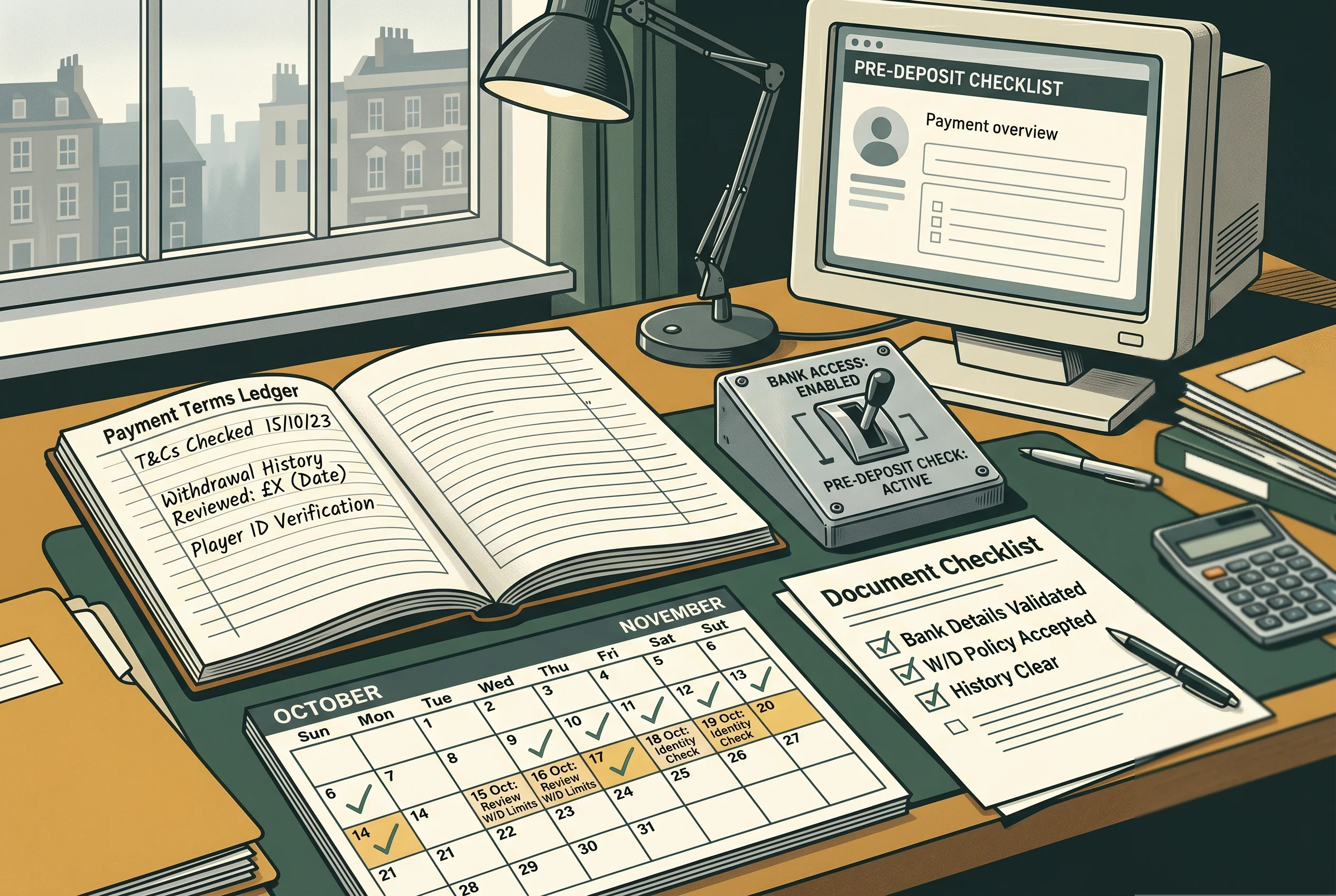
Withdrawal wording should be read before the first deposit. Look at the order of steps: account verification, payment-method checks, identity checks, bonus conditions, pending time, minimum and maximum withdrawals, and any reasons a withdrawal can be held. It is especially important to know whether a bonus affects cash-out rules. A bonus that looks attractive at sign-up can become a problem if it changes eligibility or adds conditions that are easy to miss.
It is also worth separating an operator-side delay from a bank-side process. A casino may approve a withdrawal, but payment processing can still involve payment providers and banks. Conversely, an operator may say more checks are needed before approval. Keep dates, screenshots and messages for each step, because clear records are useful if you later need to complain. Do not rely on chat promises that contradict written terms; save them, but compare them with the terms that apply to the account.
Identity and data
“No verification” claims deserve special caution
Online gambling involves age checks, identity checks and sometimes later questions connected to legal obligations. For Great Britain licensed online gambling, a business must verify age and identity before a customer is allowed to gamble. If you see a site presented as anonymous, document-free or free from checks, do not treat that as a benefit. It may be inaccurate, may apply only to a limited stage of the account, or may be a sign that the site is outside the protections you expected.
There is a practical reason to care about this before depositing. Some readers only look at verification when they try to withdraw. By then they may already have money, bonuses, open bets or personal documents involved. A safer sequence is to read identity and withdrawal terms first, decide whether the document request is reasonable, confirm that you are on the correct domain, and avoid uploading files through links in unexpected messages. If the site cannot explain who handles your data and why the documents are needed, pause.
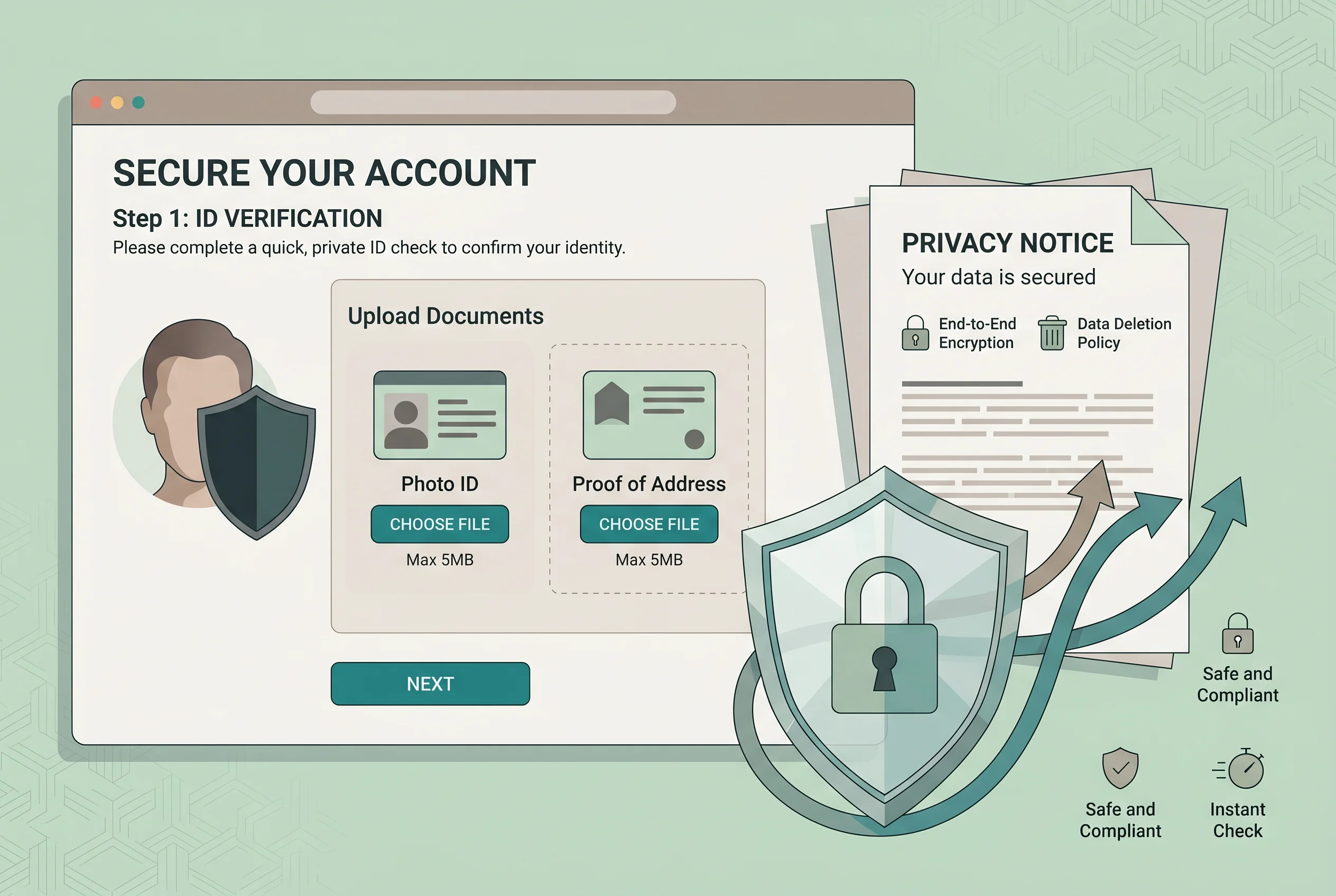
Before uploading ID documents
- Check the domain character by character, especially if you arrived from a message or advert.
- Use the account area directly rather than a link sent by an unknown contact.
- Read the privacy notice and the reason given for collecting the document.
- Ask whether the request matches what the written terms said before deposit.
- Keep a dated record of the request, but do not share sensitive files in public complaint posts.
Phishing risk is not limited to gambling. The same basic warning signs apply: messages that create urgency, links that do not match the expected domain, requests for bank details or passwords, attachments you did not expect, and contact routes that bypass the normal account area. The National Cyber Security Centre provides guidance for spotting phishing and reporting suspicious websites. If you suspect a site or message is fake, use official reporting routes and do not continue the conversation with the sender.
Cookie and tracking notices are another piece of the picture. A cookie banner does not prove that a site handles personal data responsibly, but unclear or missing information should make you cautious. You should be able to understand what is being set, what choices you have, and where to find privacy information. If a site asks for identity documents while giving almost no privacy explanation, that is a strong reason to reconsider.
Choose the next useful step
A practical decision path
Use this path to decide which check deserves your attention first. It is not a green light to gamble; it is a way to avoid rushing into a site based on a single phrase.
1. Are you self-excluded or worried about control?
Start with support and protective controls. Do not treat outside-GAMSTOP wording as a reason to continue gambling.
Read about support and controls2. Can you verify the business and domain?
Use official register information where relevant, then compare exact names and domains with the site’s terms.
Read the licence check guide3. Are payment and withdrawal terms clear?
Look before depositing. Check payment ownership, withdrawal limits, document checks and how bonuses affect access to money.
Read about money checks4. Are documents or personal data involved?
Confirm that the request is expected, secure and explained before sending sensitive files.
Read privacy and scam checks5. Is there already a dispute?
Keep records, use the operator complaint process, and understand when an independent dispute route may become relevant.
Read complaint stepsWhen something has gone wrong
Complaints work best with records, dates and the right route
Common gambling complaints include withdrawal delays, non-payment of winnings, account closures, bet settlement disputes and misleading promotions. A complaint is stronger when it is organised around facts rather than anger. Save the terms that were visible when you deposited, screenshots of promotions, deposit and withdrawal records, verification requests, chat transcripts, emails, account messages and dates. If a term changes later, your dated record may help you explain what you saw at the time.
The normal first step is the gambling business’s own complaint process. If the complaint is not resolved after the relevant period, an alternative dispute resolution provider may become relevant. Official guidance explains that unresolved complaints can be taken to ADR after 8 weeks. The current provider details should be checked through official information rather than guessed. Do not assume that a regulator will settle every individual contractual dispute for you, and do not publish accusations about a specific business without evidence.
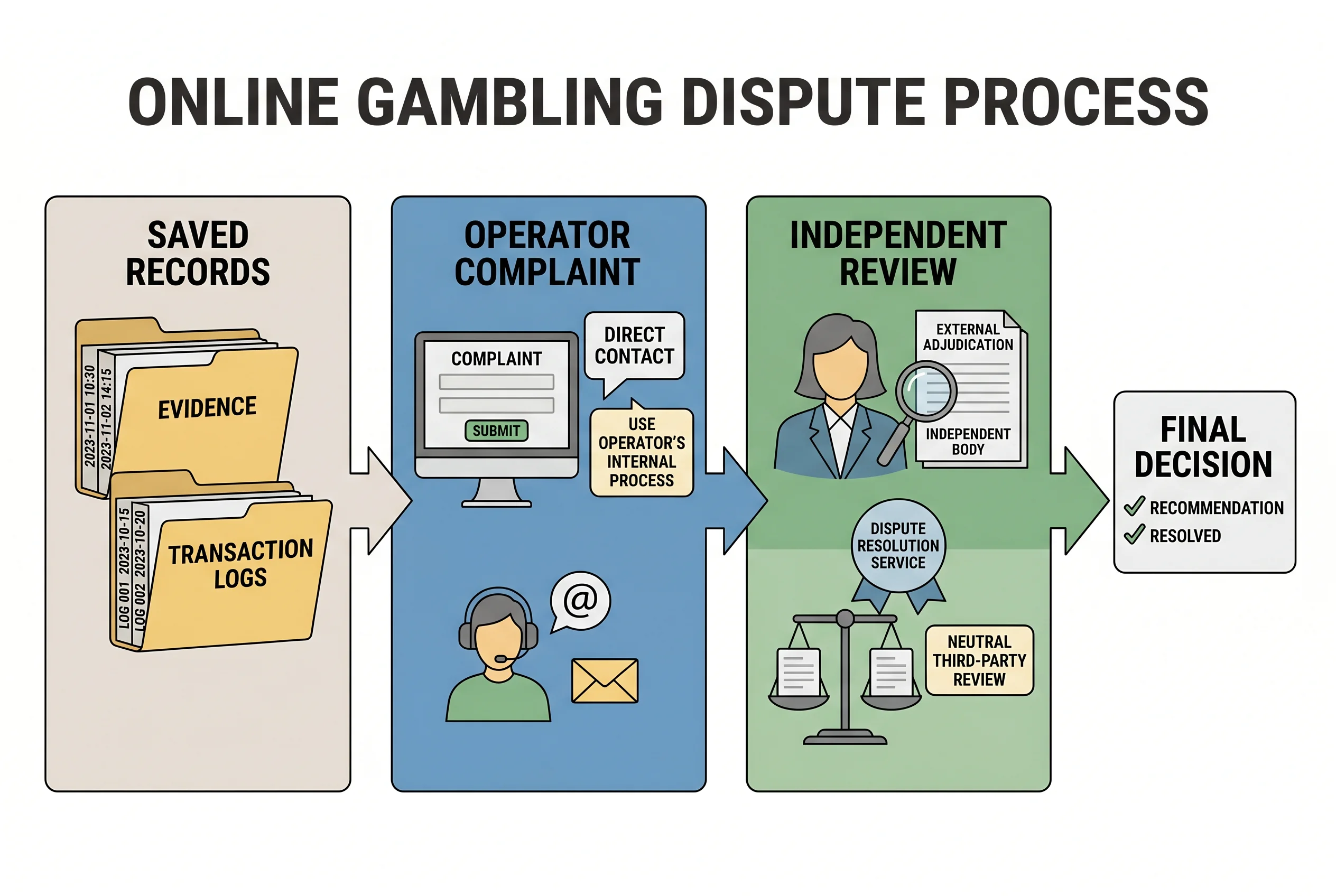
A simple record bundle
Imagine a withdrawal is delayed after an identity request. A useful record bundle would include the deposit date, withdrawal date, payment method used, the identity request, the part of the terms that explains verification, messages from support, and any deadline the operator gave. That bundle does not guarantee an outcome, but it helps you describe the issue without relying on memory.
Be careful with public complaint posts. Sharing your frustration may feel natural, but posting identity documents, account numbers, bank details or private emails can create a second problem. Keep sensitive evidence private and use the official complaint route. If you believe a message, website or contact route is suspicious, consider official scam-reporting guidance rather than continuing to send information.
Protective choices
If gambling feels hard to control, start with support
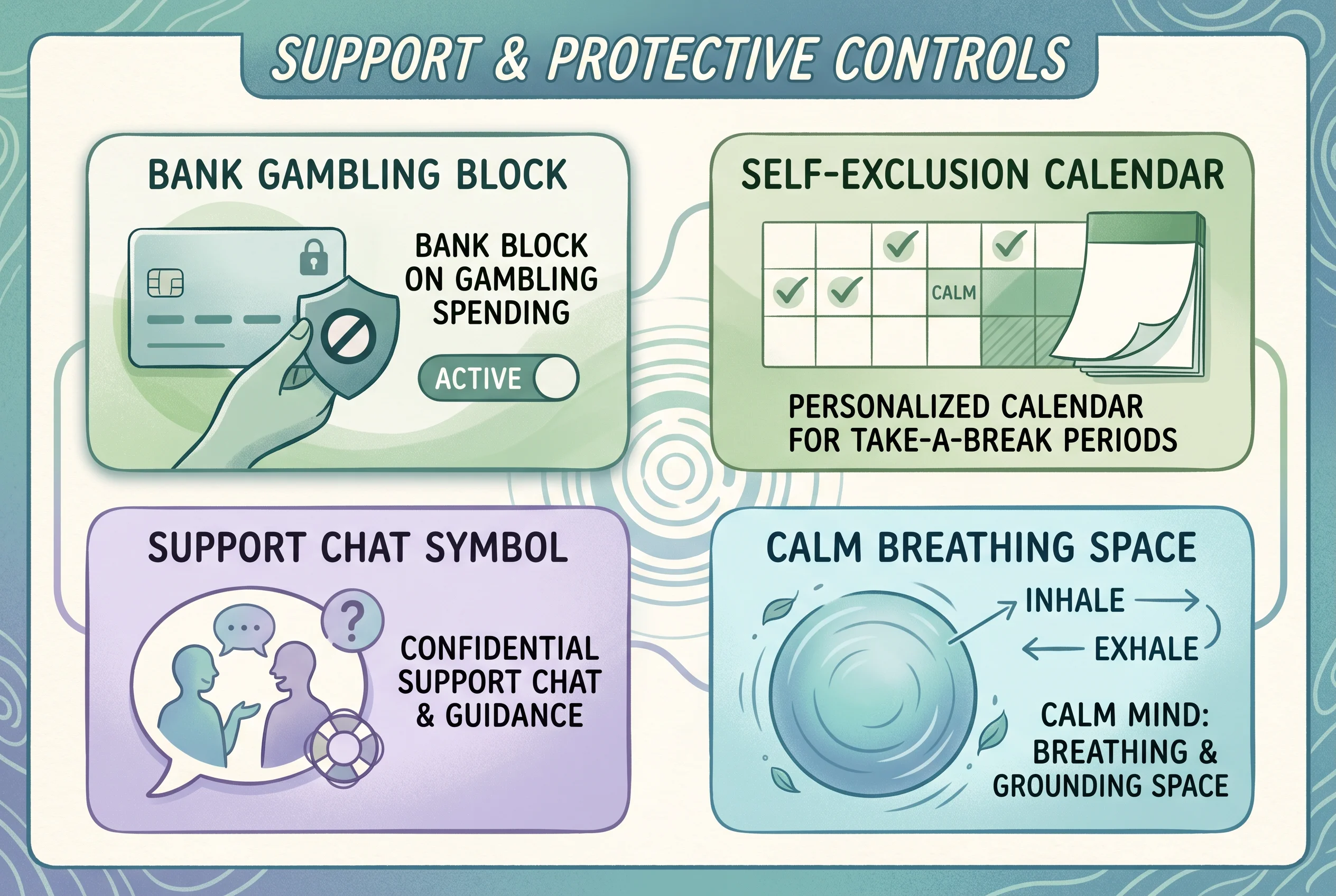
For some readers, the phrase “casino not on GAMSTOP” appears at a vulnerable moment: after self-exclusion, during financial pressure, after losses, or when gambling has started to feel difficult to stop. In that situation, the most important next step is not another site check. It is distance. GAMSTOP, bank gambling blocks, account limits and recognised support organisations exist to help create that distance.
GAMSTOP should be understood as a protective system for online gambling companies licensed in Great Britain during the selected exclusion period. If you have registered with GAMSTOP, looking for sites outside that system can undermine the reason you chose self-exclusion. A safer page does not tell you how to continue gambling during self-exclusion. It points you toward official account information, support services and controls that can reduce access when an urge is strong.
Bank gambling blocks can add another layer of protection by stopping transactions categorised as gambling. Different banks can set their own processes, time delays and account tools, so check directly with your bank for current details. If money stress is part of the problem, support organisations such as GamCare and GambleAware provide information that can help people think about gambling, budgeting and practical controls without shame.
Support-aware next steps
- If you are self-excluded, use the official GAMSTOP account route for information about your exclusion.
- If transactions are a problem, ask your bank about gambling blocks and any delay before changes take effect.
- If gambling is affecting money, relationships or mood, use recognised support resources such as GamCare or GambleAware for current guidance.
- If you feel at immediate risk or unsafe, contact emergency or crisis support in your area rather than relying on a gambling website.
Support language should not be moralising. People arrive at this topic for different reasons, and not everyone is in crisis. Still, a page about casinos outside GAMSTOP has a duty to avoid turning protective controls into sales points. If a site’s wording makes self-exclusion sound like an inconvenience, or presents blocked transactions as a puzzle to solve, step back. That framing is not acting in your interest.
Useful official and support pages
Where to check information yourself
Use official or recognised pages for current details. Do not rely on copied badges, forum posts, affiliate tables or operator claims when the question involves licence status, identity checks, complaints, personal data or protective controls.
Licence and consumer information
The Gambling Commission public register and consumer guidance are the starting points for Great Britain licence checks, age and ID information, customer funds and complaints.
Open the public registerSelf-exclusion
GAMSTOP explains its online self-exclusion service and account route for participating Great Britain licensed online gambling companies.
Open GAMSTOPPhishing and suspicious websites
The National Cyber Security Centre explains phishing warning signs and provides a route for reporting suspicious websites.
Open NCSC reporting guidanceData and cookies
The Information Commissioner’s Office provides public information about online data rights and organisation guidance about cookies.
Open ICO public informationGambling support
GamCare and GambleAware provide support and practical information. Check their own pages for the current services and contact routes.
Open GamCare money guidanceAdvertising standards
ASA and CAP pages explain the responsible marketing rules that shape how gambling promotions should be presented.
Open CAP gambling rulesRead next
Use the page that matches your actual question
This Hub gives the whole picture. The deeper pages separate the main tasks so you do not have to wade through repeated advice. Choose the page that matches the decision in front of you.
- How to check a casino not on GAMSTOP before using it if you need to verify the business, domain, terms and complaint route.
- Payments, withdrawals and bank blocks if your main question is about deposits, cash-outs, payment restrictions or records.
- ID checks, account verification and withdrawals if documents or account checks worry you.
- Complaints, disputed withdrawals and ADR routes if something has already gone wrong.
- Privacy, phishing and document-safety checks if a domain, message or upload request seems suspicious.
- GAMSTOP, bank blocks and support if gambling feels risky, hard to control or tied to money stress.
Common questions
Questions readers often need answered
Does not on GAMSTOP mean a casino is safe?
No. The phrase does not prove that a site is licensed, fair, suitable or safer. Treat it as a reason to make more checks: who operates the site, which exact domain is used, what the terms say, how withdrawals work, how complaints are handled and whether support controls are respected.
Can I use a licence badge shown on a casino website?
A badge on a website is not enough by itself. Use an official register where relevant and compare exact business, trading and domain details. Similar names can be misleading, and a licence check is still not a recommendation to play.
Why can ID checks appear when I want to withdraw?
Identity, age and payment checks can be part of legal and account processes. For Great Britain licensed online gambling, age and identity should be verified before gambling, but later checks may still happen for legal obligations. Read the verification and withdrawal terms before depositing so you are not surprised later.
Are bank gambling blocks something to turn off?
If a bank block is helping you control gambling spend, treat it as protection. Ask your bank for current information about how the block works and use support resources if you feel pressure to remove it during an urge to gamble.
What should I do if a site asks for documents by message?
Pause and check the domain, the account area and the privacy information. Be cautious with unexpected messages, links or requests for bank details. If the site or message seems suspicious, use official scam-reporting guidance instead of sending more information.
Can this guide tell me whether a specific casino is legal?
No. A specific legal or licence conclusion would need current evidence for the exact business, domain, location and circumstances. This guide explains checks and risks so you know what to verify through official information.
The safer summary
A casino described as not on GAMSTOP should never be treated as a shortcut, quality mark or invitation to ignore controls. If you are going to assess any gambling site, start with the exact business and domain, official register checks where relevant, readable account terms, payment and withdrawal conditions, identity and privacy wording, customer-funds disclosure, complaint routes and support options. If gambling feels hard to control, the most useful decision may be not to look for another site at all, but to strengthen the protections around you.