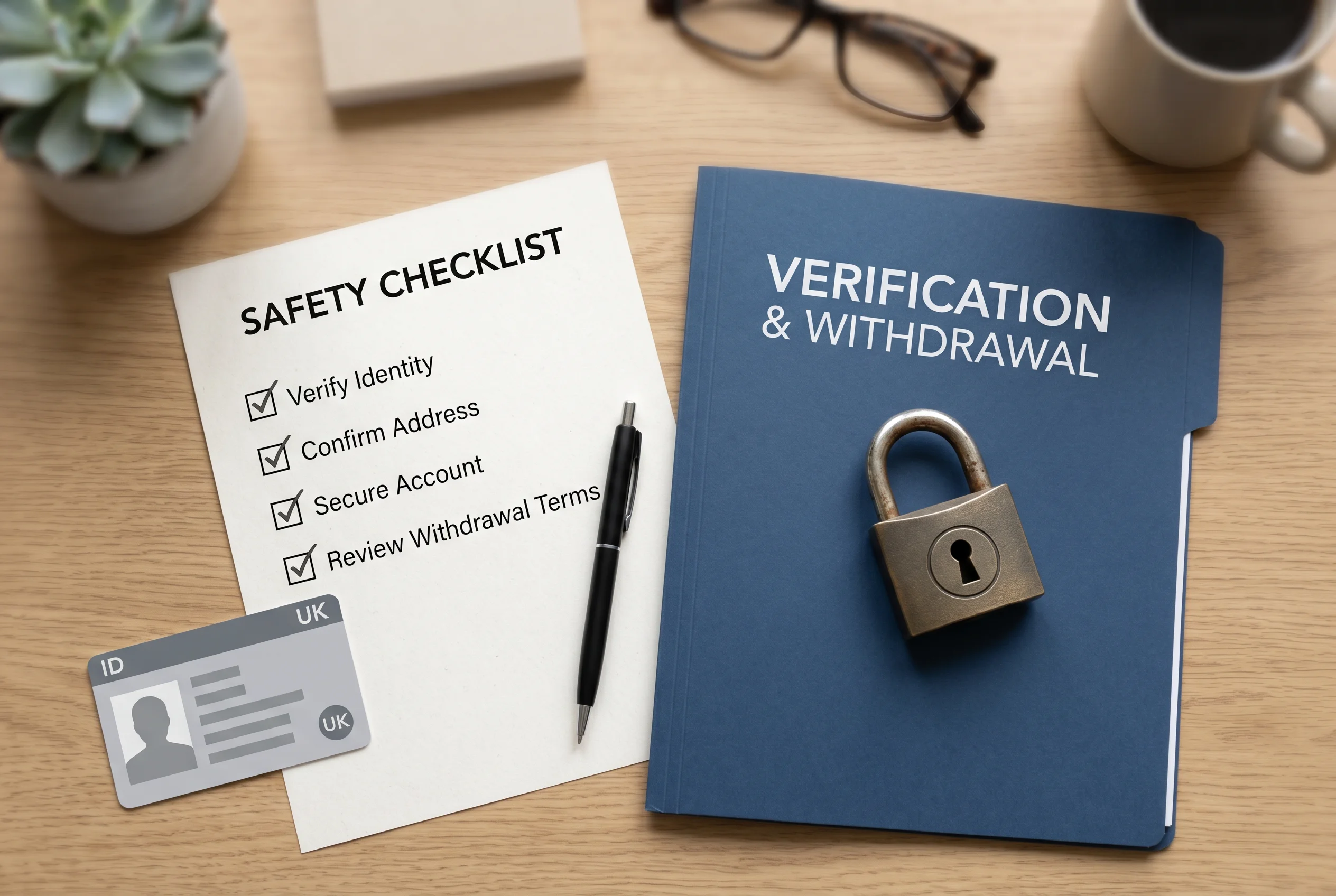

Identity checks can feel frustrating when you want a quick answer about an account or withdrawal. They also protect age rules, account security and legal obligations. The risk is not the existence of checks; the risk is unclear timing, vague document requests, poor data handling or a claim that no verification will ever be needed.
This page explains the Great Britain licensed context, what to read before sending documents, and how verification can affect withdrawals. It does not explain how to hide identity, avoid checks, use another person’s details or challenge a named operator’s legal position. The purpose is to help you spot clear rules before you deposit and keep better records if a problem appears.
What verified rules say in the Great Britain licensed context
Gambling Commission guidance says online gambling businesses must ask users to prove age and identity before gambling. Licence condition 17.1.1 also requires licensees to obtain and verify information including name, address and date of birth before a customer is permitted to gamble. That means a promise of gambling with no meaningful identity check should not be accepted at face value where Great Britain licensing is being claimed.
These checks are separate from a site’s sales wording. A page may talk about quick registration, but official rules still matter for licensed businesses. A careful reader should therefore read the verification section before opening an account, not only after a withdrawal is delayed. Look for what information is requested, when it is requested, how it is checked, and what happens if documents do not match the account details.
Later checks may still occur because a gambling business can have other legal obligations. The fact that an extra request appears later does not automatically prove that the request is improper. At the same time, official guidance warns against avoidable late verification being used as a withdrawal barrier. The practical answer is to compare the request with the site’s terms, the timing, and the explanation given.
Before sending ID documents
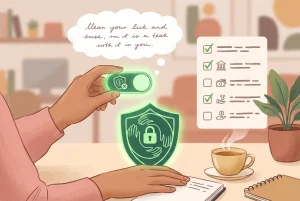
Use this decision path before uploading any identity document or financial information.
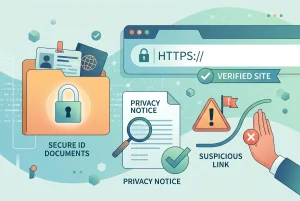
- Check the exact site and domain. Make sure you are on the intended site and not a copy, advert page or misleading link. If the site claims Great Britain licensing, check the exact details against the official register.
- Read verification timing. Look for wording that explains age and identity checks before gambling and any later checks that may apply.
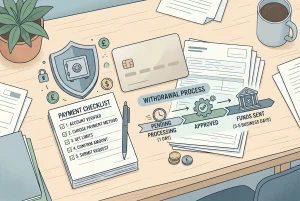
- Compare withdrawal terms. Check whether withdrawals can be paused for document review, account-name matching or other legal checks.
- Look for privacy information. Read how documents and personal data are handled, stored and shared before sending anything sensitive.
- Be cautious with broad promises. A claim that documents will never be needed is not the same as verified protection or compliance.
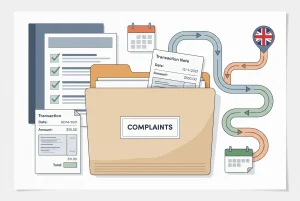
- Keep copies of correspondence. Save document requests, upload confirmations, responses and dates in case a complaint becomes necessary.
Verification and withdrawals are linked
Withdrawals can become difficult when the account information, payment route or identity details do not line up. The safest moment to understand the rule is before depositing. If a site explains that the account name must match the payment name, or that certain checks are needed before withdrawal, you need to know that early.
If the site takes deposits and only later explains a basic payment or identity problem, keep records. The Gambling Commission has highlighted concerns where payment-method issues are raised only at withdrawal. That does not mean every delay has the same cause, but it does show why clear pre-deposit wording matters.
Do not send extra documents just because a message looks urgent. Check that the request comes from the real site, through the account area or an official communication channel you can verify. Be cautious with email links, text messages or attachments that ask for bank details or identity documents. If the domain or communication route seems wrong, pause and use official security guidance before going further.
Clear wording versus warning signs
| Area | Clearer wording | Warning sign |
|---|---|---|
| Timing | Explains what is checked before gambling and what may be checked later. | Suggests account use is frictionless but hides checks until withdrawal. |
| Information required | States the type of identity or address information that may be needed. | Uses vague phrases and then asks for sensitive documents with little explanation. |
| Withdrawal effect | Explains when withdrawal processing may pause for review. | Gives no practical detail until money is already in the account. |
| Privacy | Links to understandable privacy information and document-handling wording. | Asks for uploads while the legal entity, domain or privacy route is unclear. |
| Complaint route | Shows how to raise a formal complaint if a check affects a withdrawal. | Relies only on live chat with no record or escalation path. |
What not to do
Do not use another person’s details, alter documents, hide your identity or try to make account information look different from the real payment source. That creates safety, legal and account risks. It can also make any later complaint harder because the record will not reflect what actually happened.
Do not assume that a site outside GAMSTOP is safer because it appears to ask fewer questions. Fewer visible checks can mean less clarity, not less risk. For Great Britain licensed operators, age and identity checks are expected before gambling. Where a site sits outside that framework, you need even more caution around who receives your documents and what protection applies.
Do not treat verification as separate from gambling control. If you are self-excluded, worried about gambling, or using gambling during money stress, the safer action may be to use support and blocking tools rather than look for a site that appears easier to join.
If a withdrawal is delayed because of checks
First, read the exact request and compare it with the account terms you saved. Note the date of the withdrawal request, the date of the verification request, what documents were requested, and how the site explained the reason. Keep replies in writing where possible. A clear timeline is useful whether the matter is resolved quickly or becomes a complaint.
Second, separate document safety from account frustration. You may be annoyed about the delay, but you still need to confirm that the document request is genuine and that you understand where the file is going. If the communication route or link looks suspicious, use the site account area or verified contact route rather than clicking through from an unexpected message.
Third, move to the complaint route if the issue is not resolved and the terms or official guidance suggest the process is unfair or unclear. The dedicated page on complaints and ADR explains how to keep evidence without making unsupported legal claims. For money-route questions, use the guide to payments and withdrawals. For document and phishing risks, read privacy and scam checks.
This page is general information. It does not decide whether a specific document request is lawful or whether a named gambling business has acted correctly.